Deck Repair Basics: How to Renew Your Deck's Appearance and Performance
Deck Repair 101 offers critical guidance on maintaining a deck's safety and aesthetic appeal. Homeowners often overlook typical problems such as wood rot and mold growth, which can lead to more significant problems. Knowing how to evaluate damage and choose appropriate materials is essential. By following a well-defined repair strategy, restoring a deck's functionality becomes achievable. The next steps will reveal practical strategies for ensuring that outdoor spaces remain inviting and durable for years to come.
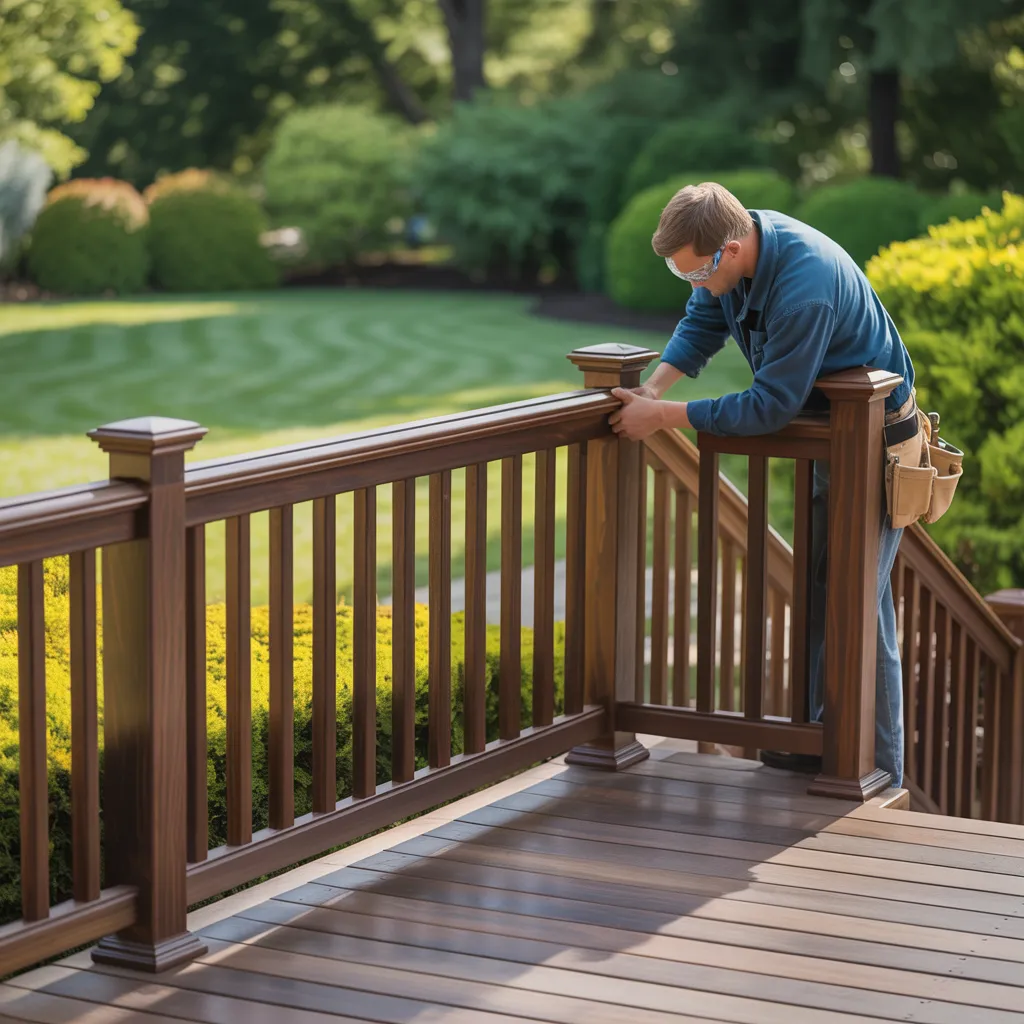
Discover Common Deck Issues Worth Solving
As homeowners begin to identify issues with their decks, identifying common problems becomes essential for effective repairs. A common problem is wood rot, frequently brought on by the accumulation of moisture, which can compromise structural integrity. Additionally, splintering and cracking can arise from prolonged weather exposure and neglected upkeep, presenting significant safety concerns. Loose or warped boards can also lead to tripping hazards, requiring prompt attention. Beyond that, faded or peeling finishes indicate the need for refinishing, as they detract from the deck's aesthetic appeal. Homeowners may also encounter issues with railings, including instability or absent balusters, which can affect safety. Lastly, mold and mildew growth can develop in damp areas, demanding quick cleaning to ensure a safe and healthy space. Understanding these common problems allows homeowners to act proactively in maintaining their decks and promoting their long-term durability.
Assess Deck Damage and Create a Repair Plan
How can homeowners effectively assess deck damage and formulate a repair plan? Initially, they should carry out a detailed visual assessment, searching for indicators of rot, warping, or deteriorating boards. Inspecting the deck's structural elements, including support beams and joists, is essential since concealed damage can jeopardize safety. Homeowners should also examine hardware like screws and nails for rust or corrosion.
Once the damage is assessed, it's important to organize the issues by level of severity. Minor surface flaws may only need basic sanding and staining, while more serious structural issues could demand the complete replacement of boards or supports.
Developing a thorough repair strategy encompasses establishing task priorities, gauging the required time and energy, and pinpointing the needed tools and capabilities. Noting key findings serves to optimize the repair procedure, making certain that all problem areas are resolved methodically and thoroughly.
Pick Deck Renewal Materials
Selecting the right components for deck refurbishment is essential for securing lasting effects. It requires understanding multiple wood types, choosing appropriate sealants and stains, and guaranteeing the right tools and equipment are readily available. A detailed assessment of these factors can significantly elevate the outdoor deck's longevity and visual appeal.
Guide to Wood Types
Selecting the appropriate wood species is essential for effective deck restoration. Various wood options offer different aesthetics, durability, and maintenance requirements. Pressure-treated wood is a widely favored option because of its ability to resist decay and insects, making it an ideal option for homeowners on a budget. Cedar and redwood offer natural aesthetics and warping resistance but need consistent upkeep to maintain their look. Tropical hardwoods, like ipe and teak, boast exceptional durability and weather resistance, even though they carry a premium price tag. Composite materials, combining wood fibers and plastic, offer low maintenance and longevity but could fall short of achieving the genuine look of solid wood. Every choice comes with its own advantages and factors to consider, impacting the outcome of a deck restoration endeavor.
Staining and Sealing
A variety of sealants and stains are critical for protecting the integrity and aesthetic of a deck. Such products shield wood against moisture, UV rays, and mold, thereby extending its lifespan. Sealants create a barrier that repels water, preventing rot and decay. Stains, meanwhile, enhance the wood's natural beauty while providing color options that complement outdoor spaces. They are offered in transparent, semi-transparent, or solid varieties, giving homeowners the flexibility to determine how much wood grain shows through. Choosing the appropriate product relies on factors such as wood type, climate, and personal preference. Regular application of sealants and stains is important for sustaining the guide deck's appearance and functional integrity across the years.
Equipment and Tools
Collecting the right equipment and tools is essential for successful deck restoration. Deck owners should start with a high-pressure cleaner to scrub the deck's exterior, clearing away dirt and mildew effectively. A robust sander, preferably an orbital one, is necessary for smoothing coarse sections and conditioning the wood for finishing. Furthermore, a set of brushes and applicators will assist with distributing sealants and stains consistently. Necessary safety items, such as gloves and goggles, provides safety during the refurbishment process. Further practical tools include a pry bar for extracting deteriorated boards, a mallet for securing protruding nails, and a tape measure for precise cuts. Lastly, a high-grade wood filler can assist in fixing small flaws, enhancing the deck's overall durability and aesthetic appeal.
Step-by-Step Guide to Repairing Deck Boards
Repairing deck boards can seem intimidating, but a structured approach simplifies the process considerably. First, assess the damage by inspecting each board for cracks, warping, or rot. This initial evaluation helps determine whether to repair or replace boards. Then, prepare the essential tools like a pry bar, drill, and spare boards as necessary.
To begin repairs, extract any compromised boards using the pry bar, making sure not to harm surrounding boards. In the case of minor damage, wood filler or epoxy should be used, then sanded smooth once dry. If replacing boards, verify the new ones match the existing material in size and type. Fix the replaced or repaired boards in place with screws, confirming a firm and secure fit. As a final step, look for any jutting nails or screws that might create a safety concern. Following this organized method ensures a safe and thorough deck board repair, boosting both the aesthetic appeal and structural function.
Revitalize Your Deck's Finish and Shield It
Revitalizing a deck's finish not only boosts its overall look but also is essential in protecting the wood from the outdoor conditions. Over time, exposure to sun, rain, and temperature fluctuations can degrade the deck's surface, causing splintering and fading. A new application of waterproof sealant works as a protective shield, blocking moisture intrusion and UV damage.
Before adding a new coat of finish, it is crucial to thoroughly clean the deck to remove dirt, debris, and old finishes. This can often include scrubbing with an appropriate cleaner and power washing. After it has dried, a superior stain or sealant should be selected based on the intended finish, whether transparent, semi-transparent, or solid. Using a brush or roller to apply the product evenly guarantees extensive coverage. Permitting sufficient drying time is important for reaching maximum protection and long-lasting results, protecting the deck for many years ahead.
Ways to Maintain Your Restored Deck for Long-Lasting Results
To guarantee a refinished deck continues in prime condition, regular maintenance is essential. Creating a steady cleaning regimen, performing routine damage checks, and using a quality protective sealant can considerably increase its longevity. By following these guidelines, property owners can maintain the appearance and performance of their outdoor living area.
Scheduled Cleaning Routine
How regularly should a restored deck be cleaned to maintain its lifespan? A routine cleaning schedule is vital for protecting the deck's condition and usability. Typically, a deck should be cleaned every three to six months, according to the weather conditions and surrounding area. In locations with excessive moisture or heavy shade, more regular cleanings may be needed to inhibit mold and mildew development.
Using a gentle soap solution and a soft-bristle brush helps remove dirt and debris without damaging the surface. Furthermore, homeowners should prioritize removing leaves and other organic material, as these can retain unwanted moisture. By adhering to this cleaning routine, the deck will remain in prime condition, ensuring its durability and aesthetic appeal for years to come.
Examine for Damage
Routinely examining a restored deck for deterioration is essential to maintaining its durability. Homeowners are advised to conduct thorough checks at least biannually, ideally in the spring and autumn seasons. During these inspections, they should look for signs of damage, such as wood splinters, loose boards, or corroded hardware. Furthermore, inspecting for mildew or mold development is vital, as these can compromise the deck's integrity. Pay close attention to areas where water may accumulate, as trapped moisture can lead to significant structural damage. It is also important to examine stairs and railings for stability. Tackling minor concerns immediately can avoid expensive fixes, keeping the deck as a comfortable and safe space for many years ahead. Consistent attention is fundamental to sustaining its appearance and performance.
Add Protective Sealant
Applying a protective sealant is vital for preserving a restored deck's longevity and appearance. After completing repairs, applying a high-quality sealant helps shield the wood from moisture, UV rays, and potential mold growth. The process of application generally starts with a clean, dry surface, making certain that dirt and debris do not compromise adhesion. Employing a brush or roller, consistent coats ought to be applied, providing enough drying time between applications. Regular maintenance, including reapplication every one to three years, is essential to maintain the deck's protective barrier. This preventative method not only boosts the deck's natural appeal but also considerably lengthens its lifespan, ensuring that it continues to be a safe and attractive outdoor retreat for years to come.
Questions We Often Receive
How Often Should I Inspect My Deck for Damage?
Evaluating a deck for wear and damage should be done no fewer than two times each year, with spring and fall being the optimal times. Routine inspections help identify wear, moisture issues, or pest infestations, guaranteeing the deck stays safe and fully functional.
Can I Repair My Deck in Rainy Weather?
Conducting deck repairs in wet weather is generally ill-advised. Damp environments can reduce the efficacy of adhesives and sealants, causing unsatisfactory results. It's best to wait for dry conditions to guarantee a proper repair.
What Is the Best Time of Year for Deck Restoration?
The ideal time for deck renewal generally falls in the spring or fall seasons. In these times of year, temperatures are comfortable, humidity is at reasonable levels, and the risk of rain is reduced, ensuring ideal conditions for successful repairs and treatments.
Are There Eco-Friendly Materials for Deck Repair?
Certainly, a wide range of eco-friendly materials can be used for deck repair, including recycled plastic, bamboo, and sustainably sourced wood. Such choices not only lower environmental impact but also boost durability, offering a sustainable solution for deck restoration.
How Much Does Professional Deck Repair Typically Cost?
Professional deck restoration expenses generally fall from $500 to $2,500, based on variables including the size, materials used, and degree of damage. It is advisable for homeowners to gather several estimates for accurate budgeting and quality assurance.